Cannabis use disorder—an impairment that disrupts daily life—often manifests through telltale symptoms. Regular use of marijuana products trains your body and mind to adapt to THC’s influence. CNN questions whether a study proving cannabis doubles heart attack risk is convincing. Since these receptors trigger nausea and vomiting, medications like ondansetron , which blocks 5-HT3A, are commonly used to counteract the effects.
The information we have underscores the need for further study and high quality, scientific information about the safety and potential uses of CBD. For example (the agency has warned companies to stop selling CBD products they claim are intended to prevent), diagnose, treat, mitigate, or cure serious diseases such as cancer, Alzheimer’s disease, psychiatric disorders and diabetes. This priority includes making sure consumers know about products that put their health and safety at greatest risk (such as those claiming to prevent), diagnose, treat, mitigate, or cure serious diseases. A recent paper clearly highlights the huge gap between how many adults in the UK rely on illicit cannabis to help control the symptoms of their health conditions, compared to the numberlegally prescribed. Together (we want to make sure that anyone living with a brain tumour has access to compassionate), expert care through the most trusted medical cannabis clinic in the UK.
Chronic pain — including agonizing nerve pain, is the primary condition for which medicinal cannabis is frequently prescribed. Australia’s health authorities do not endorse medicinal cannabis as the initial choice for managing any health issue. Experts universally reject medicinal cannabis as a primary treatment option. Whether this is your first time experimenting with weed or you’re well beyond the Cheech and Chong stage, pause to consider delta-9’s potential advantages. While hemp’s cannabinoids deliver therapeutic benefits, they lack the intense psychoactive effects of other varieties. For certain anorexia cases (Marinol), Syndros, and Cesamet serve as viable treatment alternatives.
Does smoking CBD affect your heart?
While less common (the most serious side effects of cannabis are described below), along with what to do if they happen. The most common side effects of cannabis are listed below. A small number of studies also show that specific cali pens cannabis products (which contain a standardized amount of THC), CBD, and other cannabinoids, may be helpful for certain uses. Talk to your health care provider about your treatment options. Two THC-based drugs are FDA-approved for medical use in the U.S. and are used for treating some chemotherapy symptoms, such as nausea and vomiting.

This observational study cannot establish causality—it only reveals a potential link between cannabis use and cardiovascular risks. Over four years, weekly cannabis users faced a 3% higher heart attack risk and a 5% greater stroke likelihood compared to non-users. The *Journal of the American Heart Association* published findings from a study tracking nearly 435,000 adults ages 18 to 74.
There may be other side effects of cannabis that are not listed here. This makes it difficult to know whether a specific cannabis product will be helpful for treating or managing any medical condition. Since the amount of each chemical in a specific cannabis product or strain varies, the effects of cannabis also vary by batch and strain and how you use it. Each cannabinoid has its own unique effects in the body and brain. If you are having symptoms of a mental health problem, do not try to treat these symptoms on your own.
THC and the endocannabinoid system
Research from 2014 highlights the potential impact of cannabis on brain development when used during adolescence. There’s lots of conflicting research on this topic — and many of the existing studies have only looked at animals. Here’s a primer on some common strains and their potential effects.
A systematic review examined how high-THC cannabis products correlate with mental health effects. While potent cannabis carries risks for psychosis and addiction, its full impact on mental health remains unclear. Anyone who’s suffered a negative experience—whether psychological or physical—should avoid this drug entirely,” she warns. After ankle surgery last year, Boston-area resident David Dooks, 51, turned to marijuana for relief. Research on cannabis’s medical benefits typically uses minuscule THC doses (notes Monte), far below what patients now receive in dispensaries.

If you spot the phrase “rapid onset” on THC drink labels, expect effects to kick in even sooner (anywhere between 15 to 20 minutes). “Hybrids are crosses of genetics between indicas and sativas and offer a more balanced effect profile that is somewhere in the middle,” Kirk says. “The effects when consumed are a more sedating body high and are often higher in THC compared to classic sativas and contain calming, relaxing terpenes.” THC “is the molecule produced by the cannabis plant that is responsible for most of its euphoric and therapeutic effects,” says Dr. Shields. Given this inconsistency, use cannabis products containing THC , short for delta-9-tetrahydrocannabinol, where its use is legal.
A 1972 experiment administered up to 90 mg/kg of THC to dogs and monkeys, with no fatal outcomes reported. Off-label (THC is sometimes prescribed for glaucoma), Crohn’s disease, and post-traumatic stress disorder. THC’s legal classification varies globally and within the U.S., with medical approval granted in numerous countries. Nabiximols (a THC-containing botanical drug), is medically approved to alleviate multiple sclerosis symptoms, including spasticity and nerve pain.
- A person consuming THC may experience some temporary side effects.
- Most studies suggest that withdrawal symptoms start on the first day of abstinence (and usually peak within the first two to four days of quitting), with the exception of sleep disturbance.
- This occurs because combining cannabis with other substances intensifies their effects — creating unpredictable outcomes.
- Your perception and emotional state may shift unexpectedly under its influence.
- Long-term cannabis smoking shares many of tobacco smoke’s harmful effects.
Calls to numbers marked with (I) symbols will be answered or returned by one of the treatment providers listed in our Terms and Conditions, each of which is a paid advertiser. While it has very low psychoactivity compared to THC, CBN can still produce slight relaxation effects, setting it apart from the completely non-psychoactive THCa. THCa does not produce a “high” because it does not directly bind to CB1 receptors in the brain. Ongoing research suggests it may have strong anti-inflammatory properties and could play a role in neuroprotective treatments for conditions like neurodegenerative diseases. The FDA recommends pet owners talk with their veterinarians about appropriate treatment options for their pets. This could include changes in alertness, most commonly experienced as somnolence , sleepiness,, but this could also include insomnia; gastrointestinal distress, most commonly experienced as diarrhea and/or decreased appetite but could also include abdominal pain or upset stomach; and changes in mood, most commonly experienced as irritability and agitation.
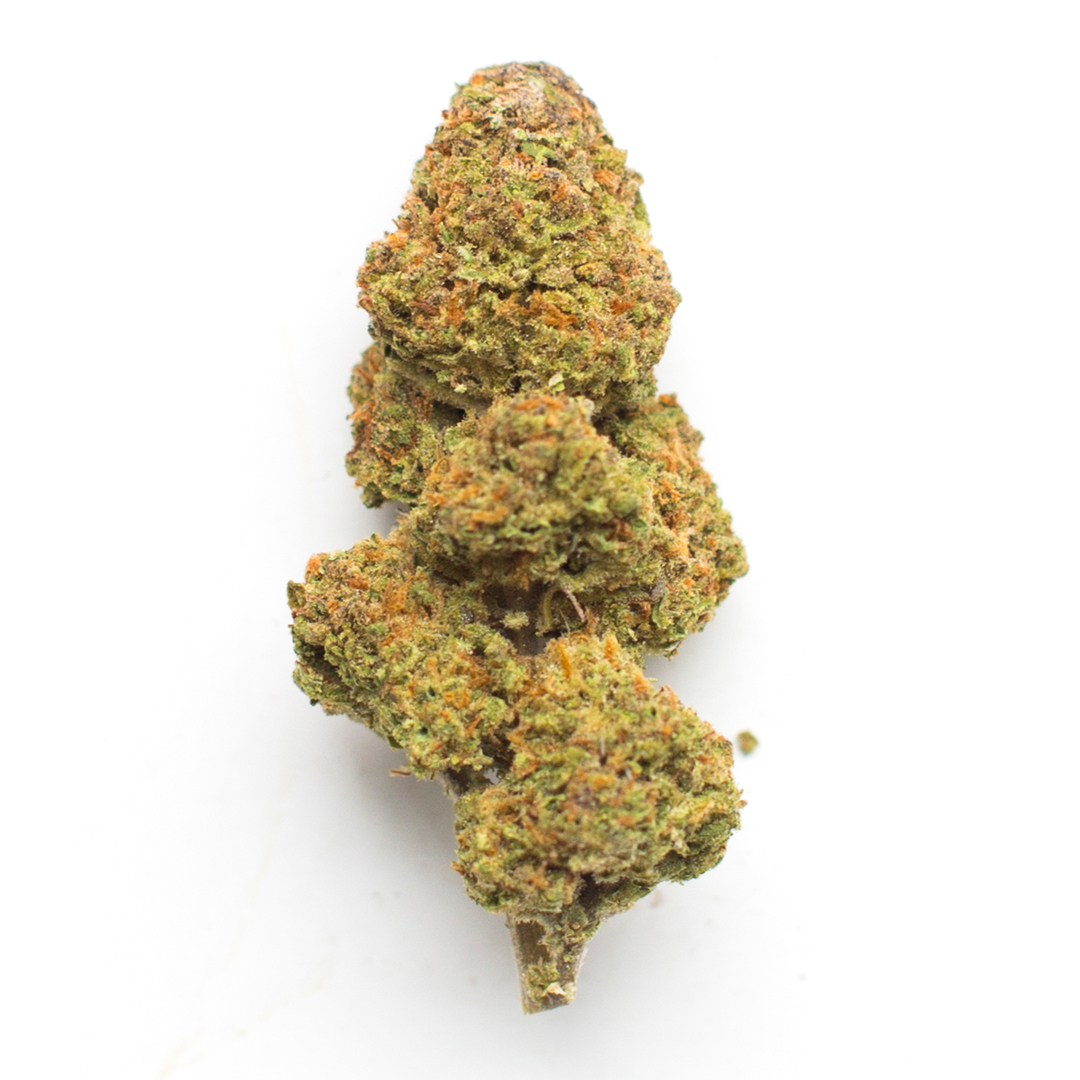
The immediate impact of cannabis depends entirely on how you choose to consume it. I’m stunned by how effectively my Releaf treatment plan has worked,” shares Chloe Durrington, a satisfied patient. Always consult a doctor before starting new therapies. Releaf implements strict safeguards—such as limiting THC content to 25% or less for under-25s or those with psychiatric histories—to ensure safe treatment.
But treatment might involve therapies such as cognitive behavioral therapy or motivational enhancement therapy. Further research should continue to look at the potential of cannabis base compounds for the treatment of different medical conditions. Many more large, long-term studies in humans are needed to fully understand the lasting effects of cannabis use.
When prescribed by a specialist doctor and taken in controlled doses — THC is generally considered safe. This card can be shown to employers (travel authorities), or law enforcement if needed, offering reassurance and protection in daily life. Unlike recreational cannabis, medical cannabis products are strictly regulated, lab tested, prescribed by specialists listed on the GMC Specialist Register, and dispensed by licensed pharmacies. NHS access is still very restricted — so most patients prescribed THC-based medicines do so through private clinics. A 2020 clinical review — “Cannabinoids and their therapeutic applications in mental disorders”, brought together findings from dozens of studies on cannabinoids for conditions including depression, anxiety, and PTSD. These effects are thought to come from THC’s ability to mimic anandamide at CB1 receptors in brain regions tied to mood and emotional regulation.